Optimal Timing for Waterproofing Projects
Proper timing for waterproofing projects is essential to ensure durability and effectiveness. The ideal time depends on weather conditions, temperature ranges, and the specific type of waterproofing material used. Typically, the best periods are during mild, dry seasons when moisture levels are low and temperature fluctuations are minimal.
Late spring and early fall are generally preferred due to moderate temperatures and lower precipitation levels, reducing the risk of moisture interference during application.
Heavy rain, snow, or freezing temperatures can compromise waterproofing effectiveness and should be avoided during application periods.
Most waterproofing products require temperatures between 50°F and 85°F for proper curing and adhesion.
Dry weather ensures that surfaces are free of moisture, allowing waterproofing materials to bond properly and achieve maximum performance.
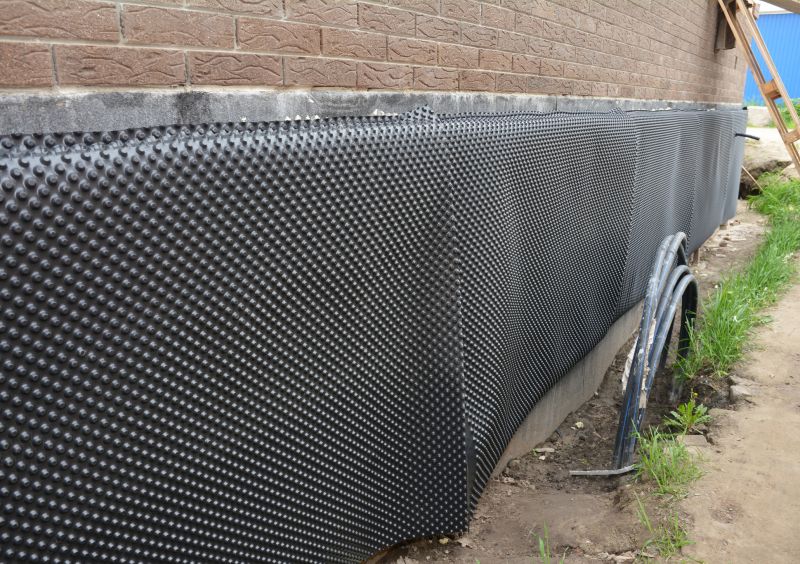
Spring offers ideal conditions for waterproofing with moderate temperatures and lower rainfall.
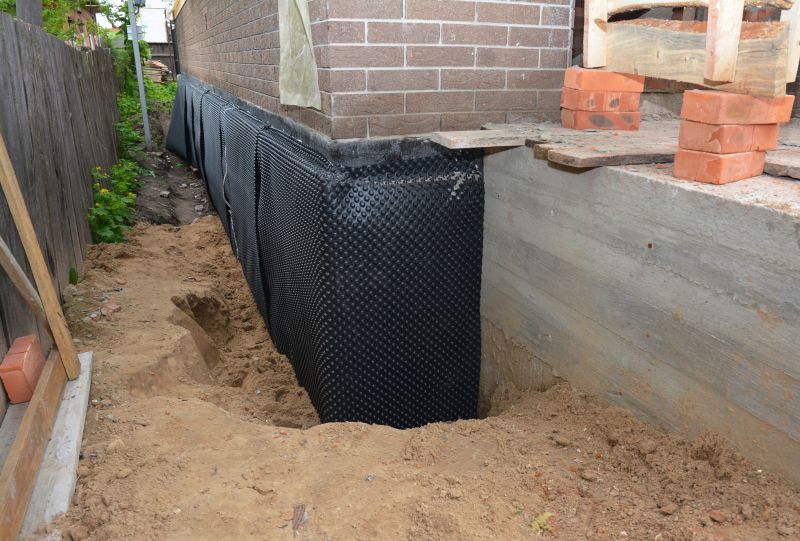
Early summer can be suitable if dry conditions prevail, but high temperatures should be monitored.
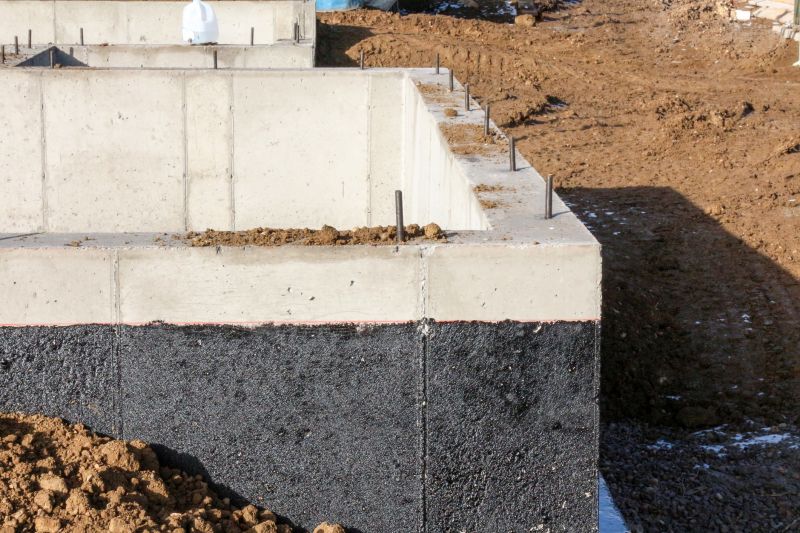
Fall provides cooler, dry weather conducive to effective waterproofing before winter.
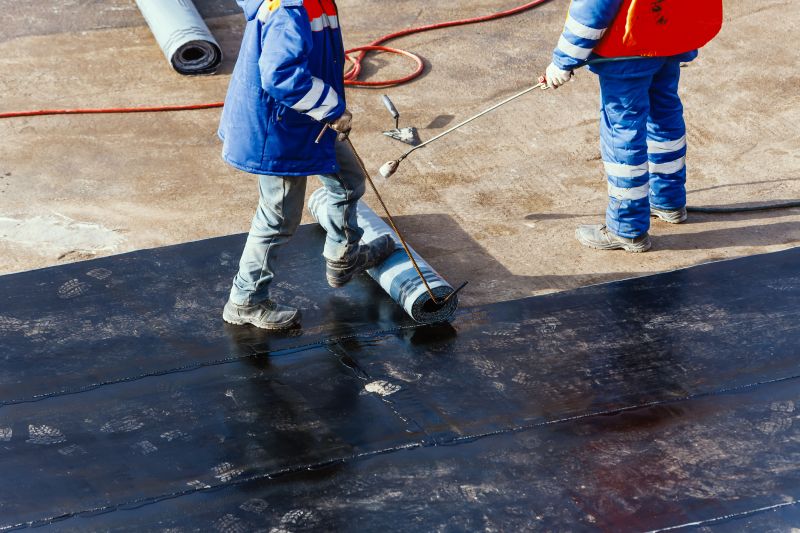
Winter is generally unsuitable due to freezing temperatures and snow, which hinder proper application.
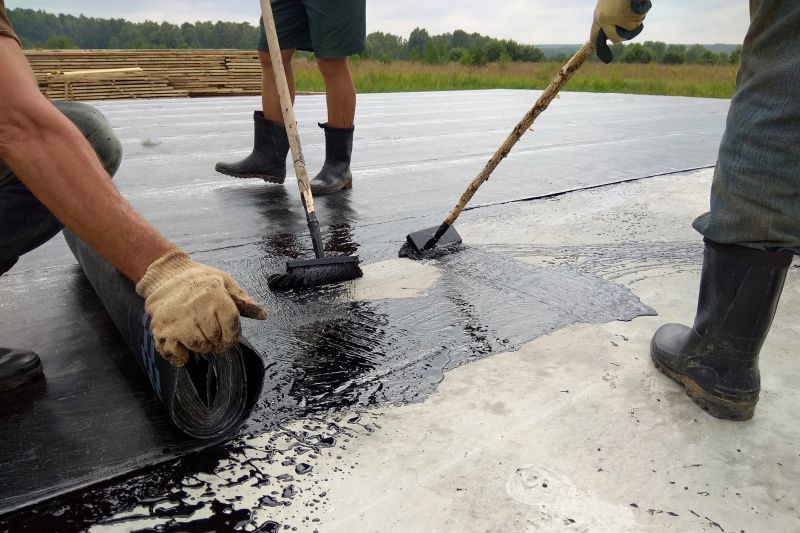
Proper surface preparation is crucial and is best performed during favorable weather conditions.
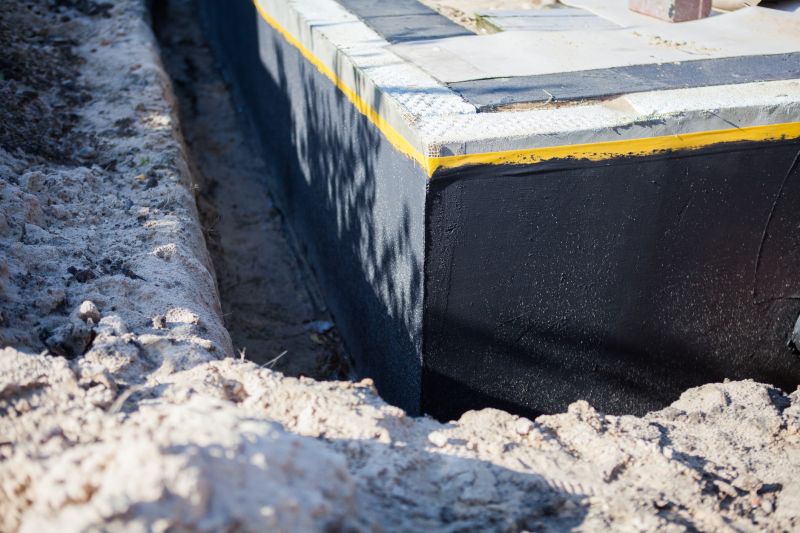
Monitoring weather forecasts helps in selecting the best days for application.
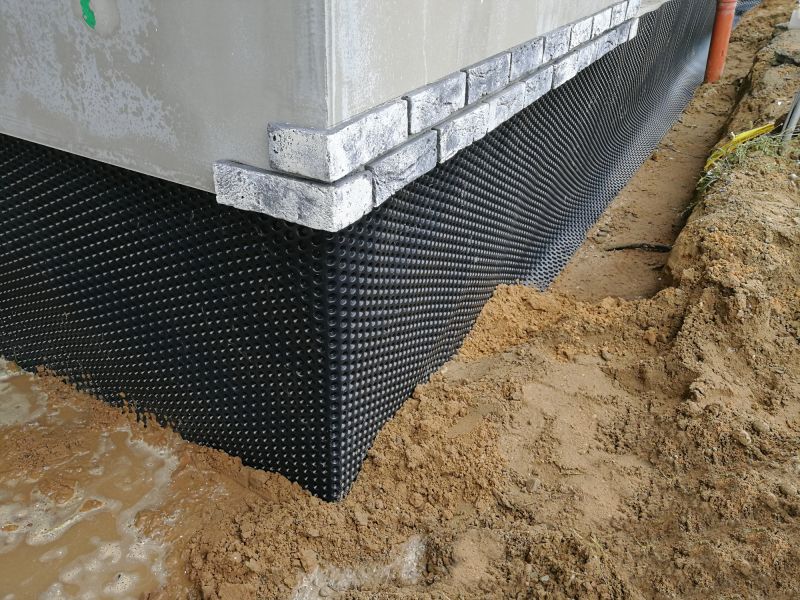
Certain materials cure or set better within specific temperature ranges, influencing timing decisions.
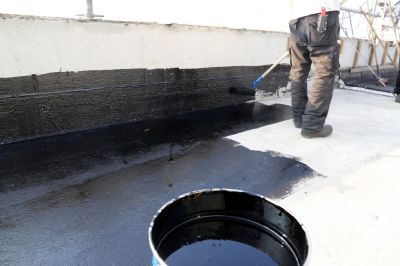
Timing waterproofing to avoid rainy periods prevents water from compromising the process.
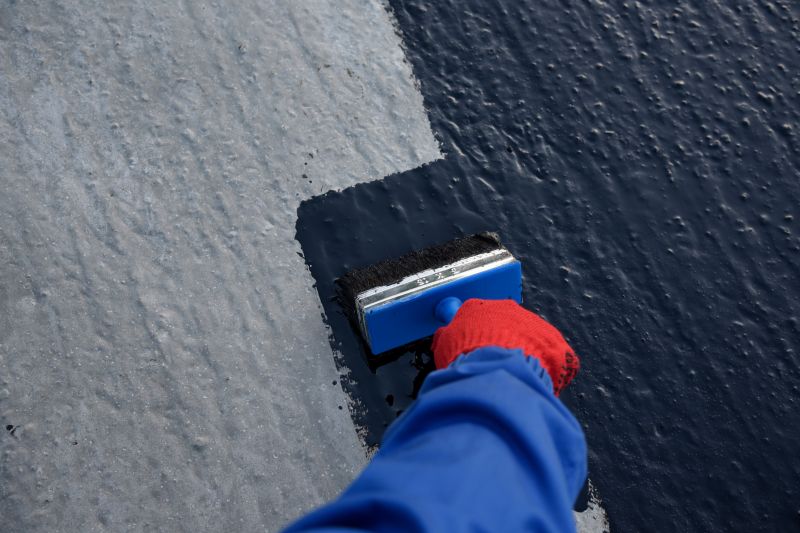
Scheduling waterproofing before seasonal shifts ensures long-lasting protection.
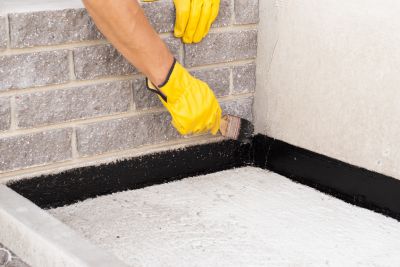
Inspecting the waterproofing after favorable weather confirms proper application and curing.
| Season | Ideal Conditions |
|---|---|
| Spring | Moderate temperatures, low rainfall, dry surfaces |
| Summer | Dry days, temperatures between 50°F and 85°F |
| Fall | Cool, dry weather, low humidity |
| Winter | Freezing temperatures, snow, and high moisture levels |
| Pre-application | Surface must be clean and dry |
Statistics indicate that waterproofing failures often occur due to improper timing and weather conditions during application. Ensuring waterproofing is performed during suitable weather windows can significantly increase the lifespan of the protection, reducing the need for repairs and maintenance over time.
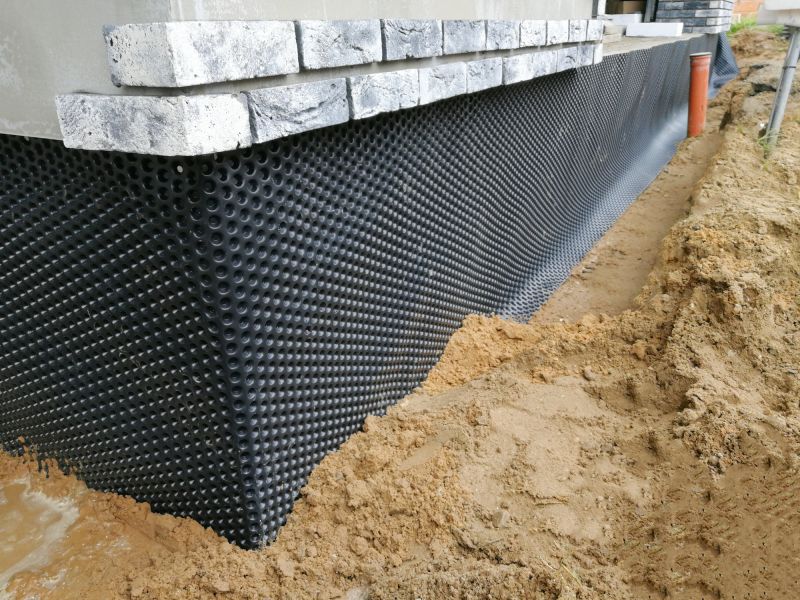
Application during optimal weather conditions ensures effective sealing.
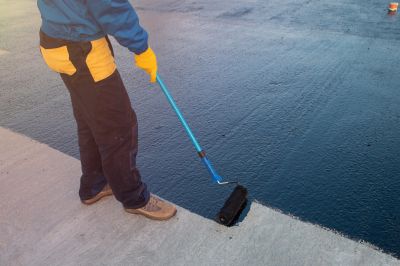
Proper surface cleaning and drying are essential before waterproofing.
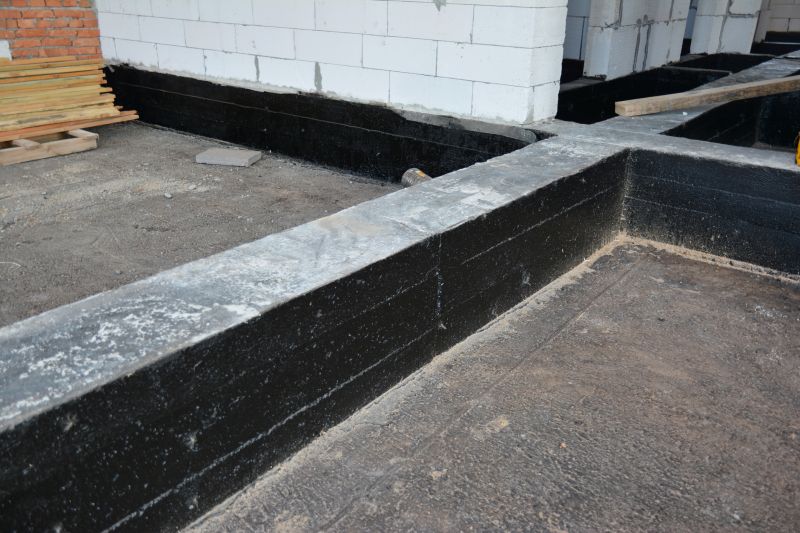
Weather conditions influence the curing time and quality of waterproofing materials.
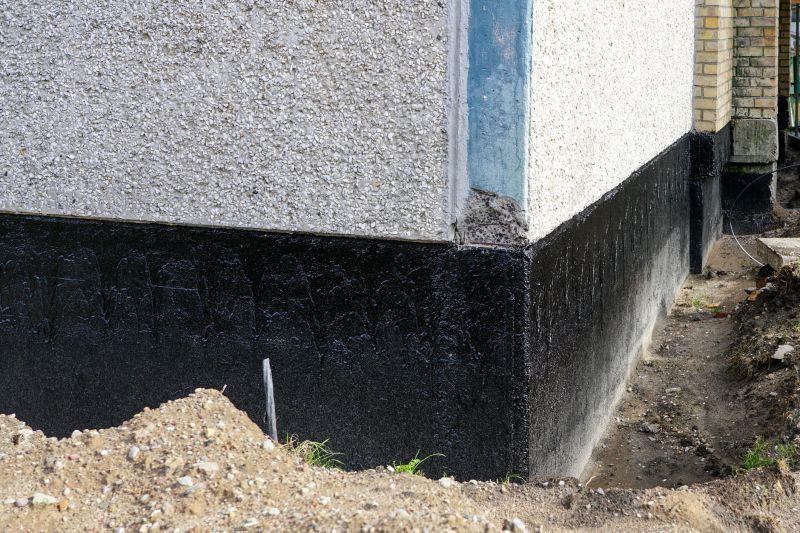
Properly timed application results in a durable, long-lasting barrier.
Interested parties are encouraged to contact for more information on scheduling waterproofing projects at the optimal times to ensure maximum protection and longevity.