
Top Waterproofing Products for Protecting Your Property
Explore the leading waterproofing solutions designed to keep your home safe from water damage and ensure long-lasting durability.
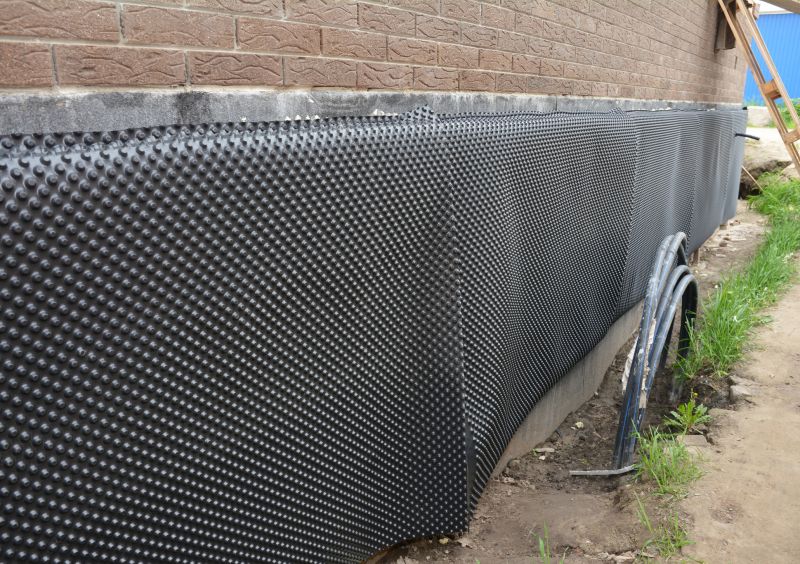 Waterproofing products are essential for protecting structures, foundations, and surfaces from water intrusion and damage. Proper waterproofing can help prevent issues such as mold growth, structural weakening, and interior water stains. When selecting waterproofing solutions, it is important to consider the specific application, surface type, and environmental conditions to ensure optimal performance. From basement seals to roof coatings, there are a variety of products designed to meet different needs. Understanding the differences among these products can help you make informed decisions for your waterproofing projects.
Top Overall Option
All-Purpose Waterproofing Sealant
An adaptable and versatile waterproofing sealant designed for multiple surfaces, including concrete, masonry, and wood. It provides an effective barrier against water penetration and can be used on both interior and exterior surfaces. Easy to apply with brush, roller, or spray, making it suitable for various DIY and professional projects. Its durable formulation helps maintain flexibility and adhesion over time, offering long-lasting protection against moisture intrusion.
Types of Products For Waterproofings
Liquid Rubber Coatings
Flexible, seamless coatings that form a waterproof membrane over roofs, decks, and foundations. They are easy to apply and provide a durable barrier against water and moisture.
Bituminous Membranes
Traditional asphalt-based sheets used for roofing and foundation waterproofing. Known for their robustness and resistance to water seepage.
Polyurethane Sealants
High-performance sealants suitable for cracks, joints, and seams in waterproofing applications. They offer excellent adhesion and flexibility.
Cementitious Waterproof Coatings
Waterproofing paints made from cement mixtures, ideal for basements and retaining walls. They are easy to apply and compatible with concrete surfaces.
Spray-On Waterproof Membranes
Sprayable coatings that create a waterproof barrier on various surfaces, suitable for irregular shapes and large areas.
Hydrophobic Paints
Specialized paints that repel water and are applied to exterior walls, basements, and other surfaces prone to moisture.
Self-Adhesive Waterproof Sheets
Pre-formed sheets with adhesive backing used for quick and effective waterproofing of foundations and roofs.
Liquid Membranes
Pourable or brushable membranes that cure to form a seamless waterproof layer on various surfaces.
Waterproofing Tapes
Flexible tapes used to seal joints, cracks, and seams in waterproofing systems, providing an extra layer of protection.
Crack Fillers
Specialized compounds designed to fill and seal cracks before applying waterproof coatings, preventing water infiltration.
Roof Coatings
Protective coatings formulated for roofs to prevent water leaks and extend roof lifespan.
Foundation Waterproofing Paints
Specialized paints designed for basement walls and foundations to prevent water seepage.
Waterproofing Cement Mixes
Cement-based products that can be mixed and applied directly to surfaces to enhance water resistance.
Drainage Boards
Protective layers that facilitate water drainage and prevent hydrostatic pressure buildup.
Waterproofing Membrane Sheets
Pre-fabricated sheets that provide a continuous waterproof barrier for various structural surfaces.
Popular Choices
Widely used for roofing and foundation sealing due to their flexibility and seamless application.
Commonly selected for basement and roof waterproofing because of their durability.
Popular for sealing joints and cracks where movement is expected.
Favored for interior basement walls and retaining structures.
Chosen for large or irregular surfaces requiring a seamless waterproof layer.
Applied to exterior walls to repel water and prevent moisture penetration.
Preferred for quick installation on foundations and flat roofs.
Popular for maintaining roof integrity and preventing leaks.
Commonly used for basement walls to reduce water ingress.
Essential for preparing surfaces before applying waterproof coatings.
Useful for sealing joints and seams in various waterproofing systems.
Often chosen for patching and sealing concrete surfaces.
Important for managing water flow and reducing hydrostatic pressure.
In residential settings, waterproofing often involves sealing foundations, basements, and crawl spaces. These areas are particularly vulnerable to water seepage due to their exposure to ground moisture. For commercial or industrial buildings, waterproofing might extend to roofing systems, tunnels, or underground structures. The effectiveness of a waterproofing solution depends on proper application, surface preparation, and the compatibility of the product with the substrate. Regular maintenance and inspections can also prolong the lifespan of waterproofing measures, ensuring continued protection.
Choosing the right waterproofing product requires careful consideration of several factors, including the type of surface, climate conditions, and the level of water exposure. Some products are designed for interior use, providing a moisture barrier inside walls, while others are formulated for exterior application to prevent water ingress from outside. Additionally, some waterproofing solutions are flexible to accommodate structural movement, while others are rigid for more static surfaces. Proper selection and application can help maintain the integrity of your structures and prevent costly repairs in the future.
Key Buying Considerations
- Identify whether the waterproofing is for interior or exterior use to select the appropriate product.
- Assess the surface material to ensure compatibility with the waterproofing solution.
- Consider the level of water exposure and choose a product rated for that intensity.
- Determine if flexibility is needed to accommodate structural movement or cracks.
- Review application methods and choose a product compatible with your skills and tools.
- Check for weather conditions during application to ensure proper curing and adhesion.
- Evaluate the longevity and durability expectations for the specific environment.
- Consider ease of maintenance and reapplication requirements over time.
- Review product safety and VOC content if applicable to your project environment.
- Determine if additional accessories like tapes or primers are necessary for optimal results.
- Assess the need for seamless coverage or specific surface treatments.
- Estimate the size of the area to be waterproofed to select appropriately sized products.
- Look into compatibility with existing waterproofing systems if retrofitting.
- Consider cost-effectiveness relative to the project scope and lifespan expectations.
- Research local building codes or regulations that may influence product selection.